

5 Proven Strategies to Reduce Shrinkage in Your Supermarket
Shrinkage costs supermarkets billions every year. Learn practical strategies to minimize losses and protect your profits.
The Hidden Cost of Shrinkage
Shrinkage—the loss of inventory due to theft, damage, or administrative errors—costs U.S. supermarkets an estimated $46.8 billion annually. For a typical supermarket operating on thin margins of 1-3%, even small reductions in shrinkage can significantly impact profitability.
1. Implement Real-Time Inventory Tracking
Traditional inventory methods using spreadsheets or periodic counts are no longer sufficient. Modern POS systems like Queeker provide real-time visibility into your stock levels, allowing you to:
- Identify discrepancies immediately
- Track product movement across locations
- Set automatic alerts for unusual patterns
2. Track Internal Usage Separately
One often overlooked source of shrinkage is internal usage—products consumed by staff, used for sampling, or damaged during handling. Without proper tracking:
- You lose visibility into where products go
- It becomes impossible to distinguish theft from legitimate use
- Your inventory reports become unreliable
Solution: Use a dedicated internal usage tracking system that logs every product removed from inventory, categorized by purpose.
3. Optimize Your Receiving Process
Up to 20% of shrinkage occurs at the receiving dock. Implement these practices:
- Verify all deliveries against purchase orders
- Use barcode scanning to ensure accuracy
- Train staff to identify damaged goods immediately
- Document discrepancies before signing off
4. Leverage Data Analytics
Modern retail management systems provide powerful analytics that help identify shrinkage patterns:
- Which products have the highest shrinkage rates?
- What times of day see the most losses?
- Are certain employees associated with higher shrinkage?
These insights allow you to target your loss prevention efforts where they'll have the most impact.
5. Regular Cycle Counts
Instead of annual full-store inventories, implement regular cycle counts:
- Count high-value items weekly
- Rotate through categories monthly
- Use variance reports to identify problems quickly
Conclusion
Reducing shrinkage requires a combination of technology, process improvements, and employee training. By implementing these strategies, supermarkets can realistically reduce shrinkage by 25-50%, translating directly to improved bottom-line results.
Ready to take control of your inventory? Schedule a demo with Queeker to see how real-time tracking can transform your shrinkage management.
Ready to transform your business?
See how Queeker can help you manage your supermarket or restaurant more efficiently.
Related Articles

The Complete Guide to Managing Multiple Store Locations
Expanding from one store to multiple locations? Learn the systems and processes you need to scale successfully.
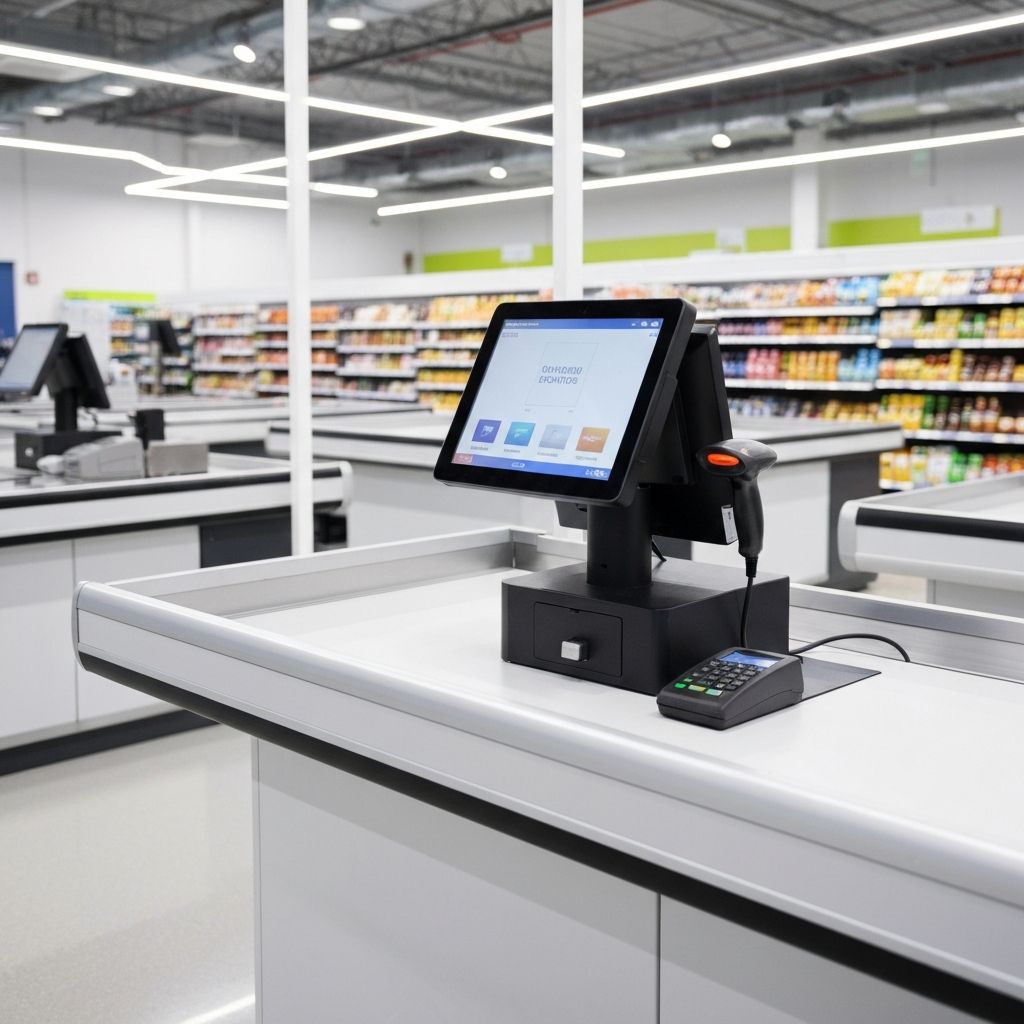
Why Every Small Supermarket Needs a Modern POS System in 2026
Still using a cash register and spreadsheets? Here's why upgrading to a modern POS system is essential for competing in today's market.